Air Transport Industry Overview
By group 1
Introduction
Air transport is one of the fastest modes of public transport which connects international boundaries. Air transport allows people from different countries to cross international boundaries and travel other countries for personal, business, medical, and tourism purposes. Although, air transport provides the fastest means by saving the time of journey, another aspect of air transport is the facilities and comfort level of the passengers.

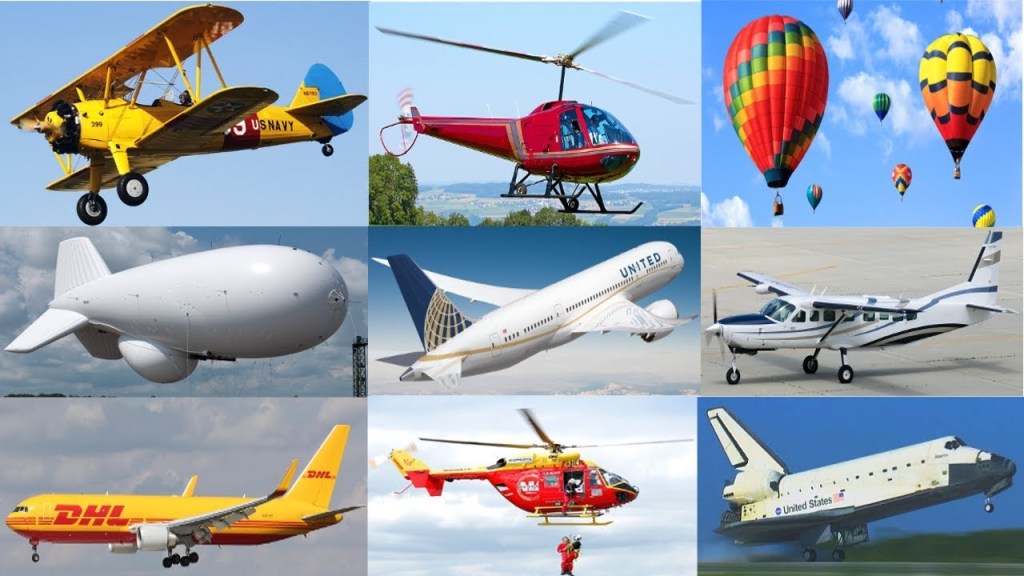


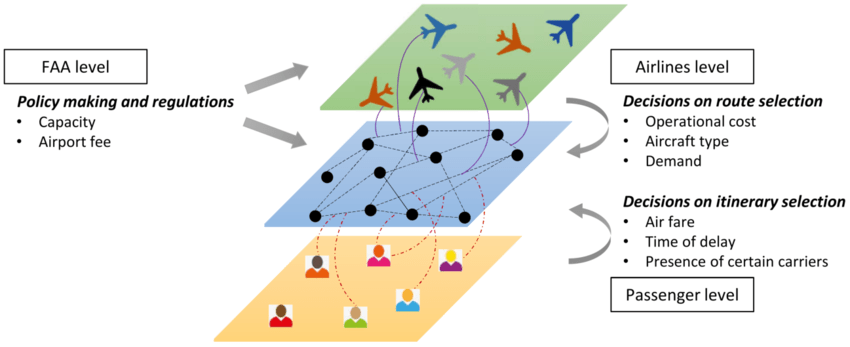
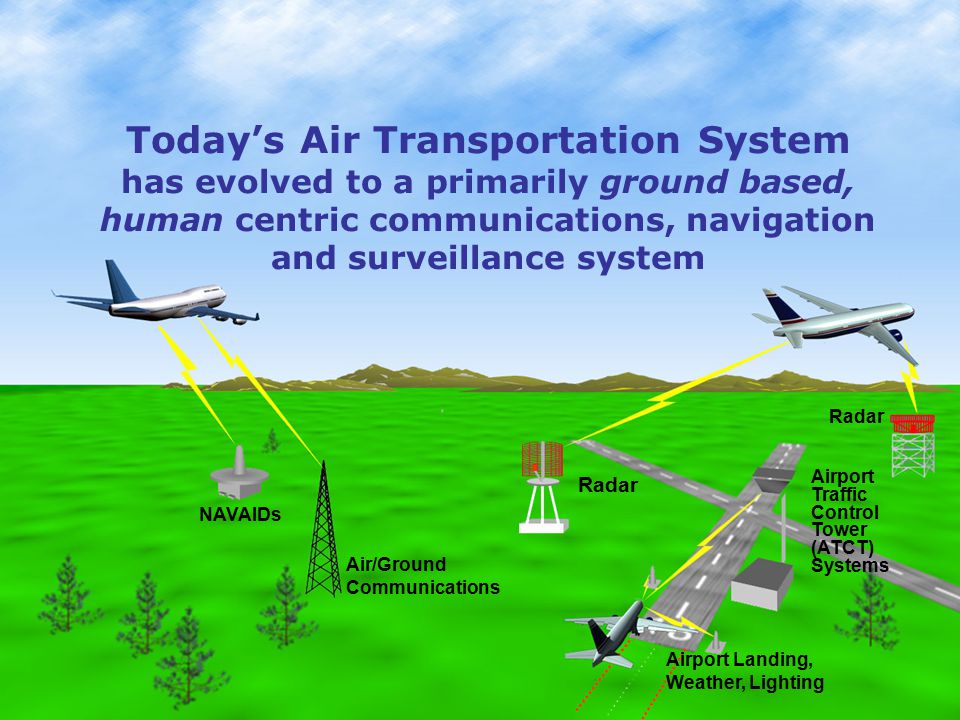
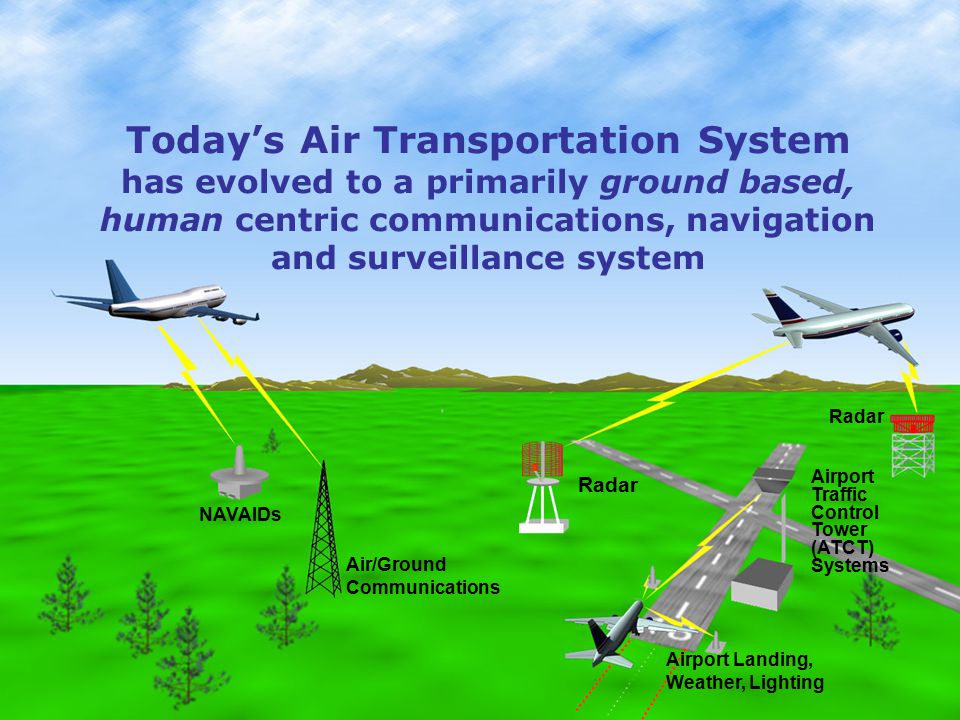
The air transport system generally includes airports, ATC (air traffic control) system, and airlines. The airports represent the ground part of the system’s infrastructure handling the aircraft operated by different airlines transporting passengers and freight/cargo shipments. The organized and controlled airspace between airports represents the air part of the system’s infrastructure. The ATC system provides guidance to aircraft while flying through the controlled airspace between airports and during their ground movements at the airports themselves. These aircraft are operated by airlines generally categorized into two classes: those, which primary transport passengers and to the limited extent cargo shipments; and those, which exclusively transport cargo shipments.
Nature of the Industry
Goods and services. Air transportation plays an integral role in our way of life. Commercial airlines allow millions of Americans every year to attend business conventions, go home for the holidays, take vacations around the globe, or travel to other important events. Air transportation also represents the fastest way to ship most types of cargo over long distances. Passengers and cargo can be transported by air either over regularly scheduled routes or on “charters,” which are routes specifically designed for a group of travelers or a particular cargo.
Air Travel Demand
Air transport is an integral part of the global economy. It is essential to understand how the sensitivity of air transport demand affects policy and economic decisions, to ensure that these decisions are made on a more effective basis. The demand for air travel is sensitive to changes in air travel prices and incomes. However, the degree of sensitivity (i.e. its demand elasticity) will vary according to different situations. Reliable estimates for demand elasticity are essential in order to ensure that air transport policies are effective (IATA). Demand elasticity measure the change in the quantity demanded of a particular good or service as a result of changes to other economic variables, such as its own price, the price of competing or complementary goods and services, income levels and taxes.
Air transport, which represents the next most substantial energy-consuming transport sector, includes passenger and freight airplanes, that is, aircraft configured for transporting passengers, freight, or mail. According to the International Air Transport Association (IATA), in 2017, airlines carried 4.1 billion passengers globally. This value increased by 7.3% over 2016, which represented an additional 280 million trips by air between 2016 and 2017. In addition, as with many of the energy and transport-related statistics in recent times, airlines in the Asia-Pacific region carried the largest number of passengers.

Sources:




 BSTM 1F